

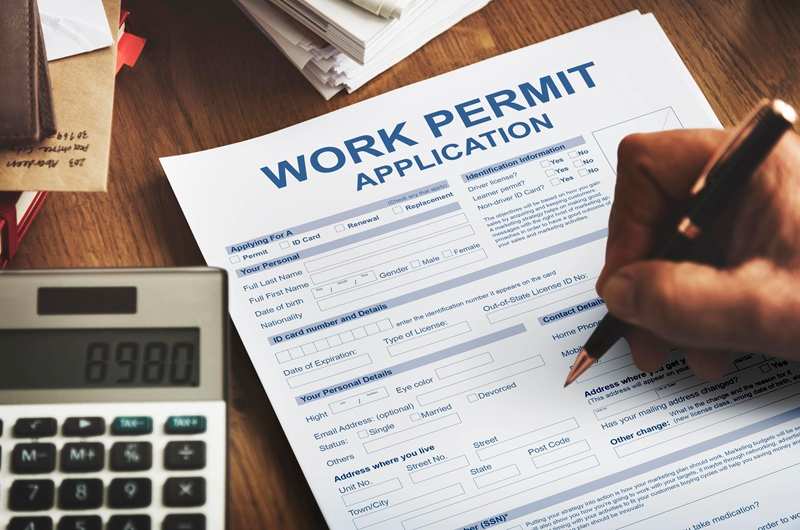
How Long Does It Take To Get My EAD Card In Dallas 2025?
TL;DR:
Work permit wait times in Dallas vary by case type. Most applicants wait 3 to 6 months, but for VAWA and U Visas, it can take much longer. Adjustment of Status cases may see cards in 90–120 days, while asylum-based EADs typically take around 150–180 days. Always check your specific timeline at uscis.gov.

Still Waiting For Your Work Permit In Dallas? You’re Not Alone
You did everything right. You filed your application, paid your fees, maybe even completed your biometrics. And now? You’re checking the mailbox every day. Still nothing.
This is one of the most common, and stressful parts of the immigration process. Work permits, also known as EAD cards (Employment Authorization Documents), are essential. They’re not just about jobs. They’re about dignity, stability, and the ability to move your life forward.
If you’re in Texas, especially in the Dallas area, you’re not alone in this wait. Processing times vary widely depending on the type of immigration case you filed under. In this guide, we’ll break down what those timelines look like in 2025, what might be slowing your case down, and what you can do to stay informed and protected.
EAD Wait Times By Case Type: What’s Normal In 2025
Not all work permits are processed on the same timeline. The time it takes to receive your EAD depends heavily on why you’re eligible for one. Here’s what to expect based on the most common situations we see in our Dallas practice:
If You Applied Through Adjustment of Status (Green Card Case)
If you’re applying for a Green Card from within the U.S, maybe through marriage or a family petition, you likely filed Form I-485 (for the green card) and Form I-765 (for the work permit) together. In these cases, USCIS typically processes EADs within 3 to 5 months, though it can take up to 8 months depending on workload.
People married to U.S. citizens often see faster processing. Other family categories (like Green Card holders sponsoring spouses or children) might experience longer waits due to Visa caps.
If You Applied After Filing For Asylum
If you applied for asylum (Form I-589), you aren’t allowed to file for a work permit right away. USCIS makes you wait 150 days before you can even submit Form I-765, and they can’t issue the card until day 180.
Realistically, many asylum seekers in Dallas wait 6 to 8 months total before receiving their EAD, assuming their asylum case is still pending and there were no delays caused by missing information.
If You Applied Under VAWA
Survivors of abuse who filed Form I-360 under the Violence Against Women Act can apply for a work permit once the case is underway. But VAWA-based EADs are among the slowest to process. Most applicants wait 12 to 18 months, sometimes longer.
USCIS may issue a “prima facie” letter early in the process, which doesn’t authorize work, but may qualify you for some public benefits while your application is under review.
If You’re A U Visa Applicant
If you’re applying for a U Visa as a victim of a serious crime, we want to be honest: the wait is long. Because USCIS can only approve 10,000 U Visas per year, the backlog is huge.
Most applicants wait 5 to 7 years before they’re eligible for a work permit. You can’t apply for an EAD until USCIS gives you something called deferred action, and that doesn’t happen until your case moves to the front of the line. Some applicants receive a “bona fide determination” earlier, which can trigger work permit eligibility, but it’s not guaranteed.
Why Is It Taking So Long? 6 Common Reasons Your EAD Might Be Delayed
It’s easy to feel helpless while you wait, but sometimes there’s a reason for the delay. Here are six of the most common culprits:
- USCIS Backlogs: Delays aren’t personal. Texas service centers process thousands of cases per month, and there simply aren’t enough officers.
- Biometrics Appointments: If you haven’t completed your fingerprints or if your appointment was missed or delayed, your case may be paused.
- Missing or Incomplete Forms: Even small mistakes on your Form I-765 (like missing signatures or incorrect eligibility codes) can trigger rejections or Requests for Evidence (RFEs).
- Outdated Documents: Submitting expired passports or I-94s can cause slowdowns.
- Request for Evidence (RFE): If you received an RFE and didn’t respond or your response is still under review, your EAD won’t move forward until that’s resolved.
- Local Field Office Volume: Dallas and surrounding cities have some of the highest immigration volumes in Texas. This can impact how quickly cases move through the system.
What You Can Do While You Wait For Your EAD?
Waiting doesn’t mean doing nothing. Here’s how you can stay proactive:
- Check Your Case Status: Use your receipt number at uscis.gov/casestatus to see if there are any updates.
- Sign Up for a USCIS Account: This gives you real-time updates, alerts, and a secure place to message about your case.
- Look Up Your Service Center’s Processing Times: Go to uscis.gov/processing-times and enter the form and center (based on your receipt notice).
- Keep All Receipts & Letters Organized: You may need to refer to them quickly if your case hits a snag.
Talk to a Dallas immigration lawyer if you’re unsure: Especially if your case seems stuck or you get an RFE that’s hard to understand.
Can You Expedite a Work Permit? Sometimes, But Only If You Qualify
In some urgent situations, USCIS will review an expedite request. But they don’t grant them lightly.
To qualify, you must show one of the following:
- Severe financial loss (to you or your employer)
- Urgent humanitarian reasons (e.g., medical crisis)
- A clear USCIS error
- A request from a U.S. government agency
If you do submit a request, you’ll need to include solid evidence, things like eviction notices, medical bills, or a job offer on letterhead showing why time is critical. Expedite requests can be submitted through your USCIS account or by calling their contact center.
Is Your Current EAD Expiring? You Might Already Be Covered
If your work permit is getting close to its expiration date, don’t panic, there may already be protection in place. As of 2024, USCIS automatically extends many EADs for up to 540 days after the expiration date, as long as certain conditions are met.
To qualify for this automatic extension, you must have filed your renewal application before your current EAD expired, and you must belong to a category that’s eligible, such as applicants under Adjustment of Status, asylum, Temporary Protected Status (TPS), or VAWA. If those boxes are checked, you can legally keep working while your new card is processed.
Your receipt notice for the renewal (Form I-797C) serves as your proof. This document, along with your expired EAD, shows employers that your work authorization is still valid. If you run into trouble with HR or a new job, you can download and print the official USCIS guidance to clarify the rule, it’s always a good idea to have that in hand.
Still No EAD Card? Let Dallas Immigration Lawyers Review Your Case
If you’ve done everything right, filed the paperwork, waited months, checked your status, and you still don’t have your work permit, you’re not alone. Every week, we hear from people across Dallas who are stuck in the same limbo. Sometimes the delay is normal. Sometimes it’s not.
At Dallas Immigration Lawyers, we take the time to dig into the details. We’ll look at your receipt notices, case type, and service center. We’ll tell you if something’s missing, if a request was overlooked, or if it’s time to take further action. No guesswork. No wasted time.
Your work permit is more than just a card. It’s your next step forward. Let’s help you get there. Schedule a confidential case evaluation today. We’re here, and we’re ready to help.
EAD Processing FAQ: What Dallas Applicants Should Know
Share this article
About the Author: Gary Medlin

Table Of Contents
Latest articles

February 10, 2026
February 10, 2026

February 10, 2026
Categories